

Turn project data into
problem-solving intelligence.
The Data Diagnostic Tool (DDT) is Fusion's evidence-grounded decision layer. Connect project context, research, specialized tools, cost optimization and simulation results to identify gaps, compare options and decide what to investigate next.
DDT is the thinking layer.
Hydrogen teams collect massive amounts of information, but the hardest problems often live between the documents: the electrolyzer lead time not matched to schedule, the tax credit assumption not aligned with grid reality, or the off-take agreement missing delivery logistics.
DDT helps surface those problems earlier and organizes them into a clearer action pathway. It is decision-support software for the realities of hydrogen scale-up.

DDT looks across the full
commercialization path.
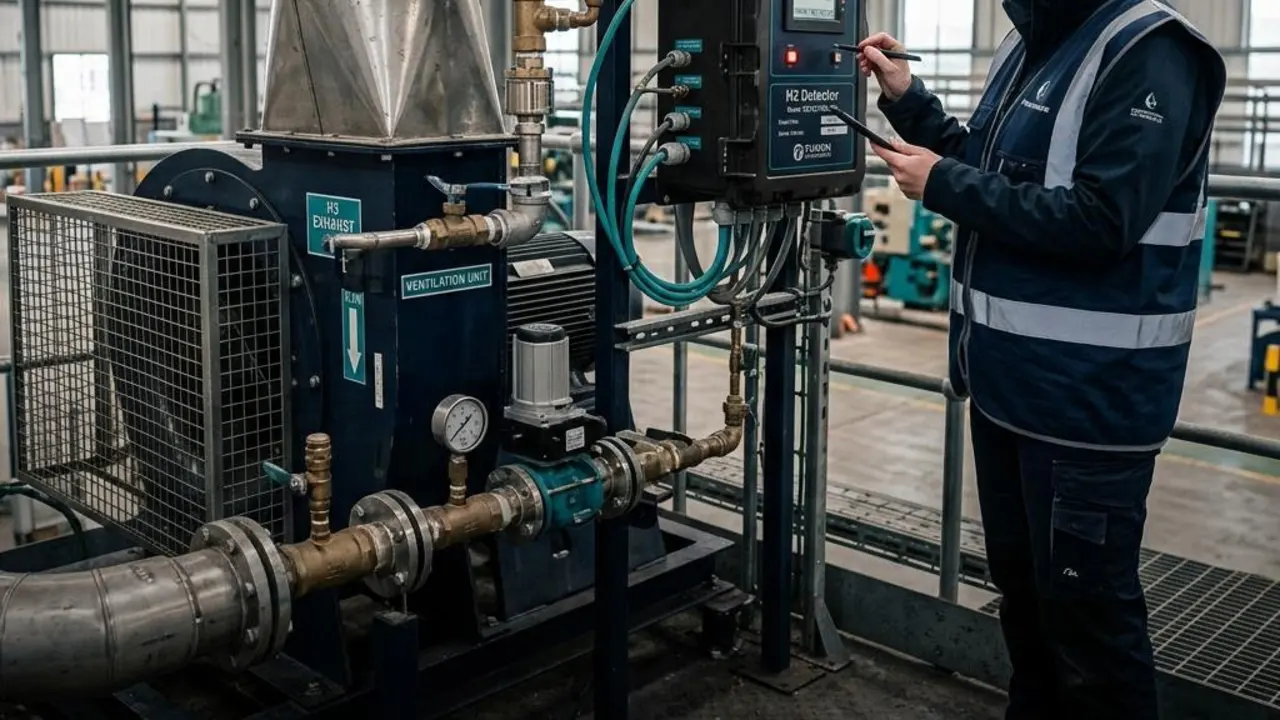
Permitting & Policy
Missing approvals, tax credit eligibility gaps (e.g. 45V), local stakeholder issues, or incomplete public documentation.
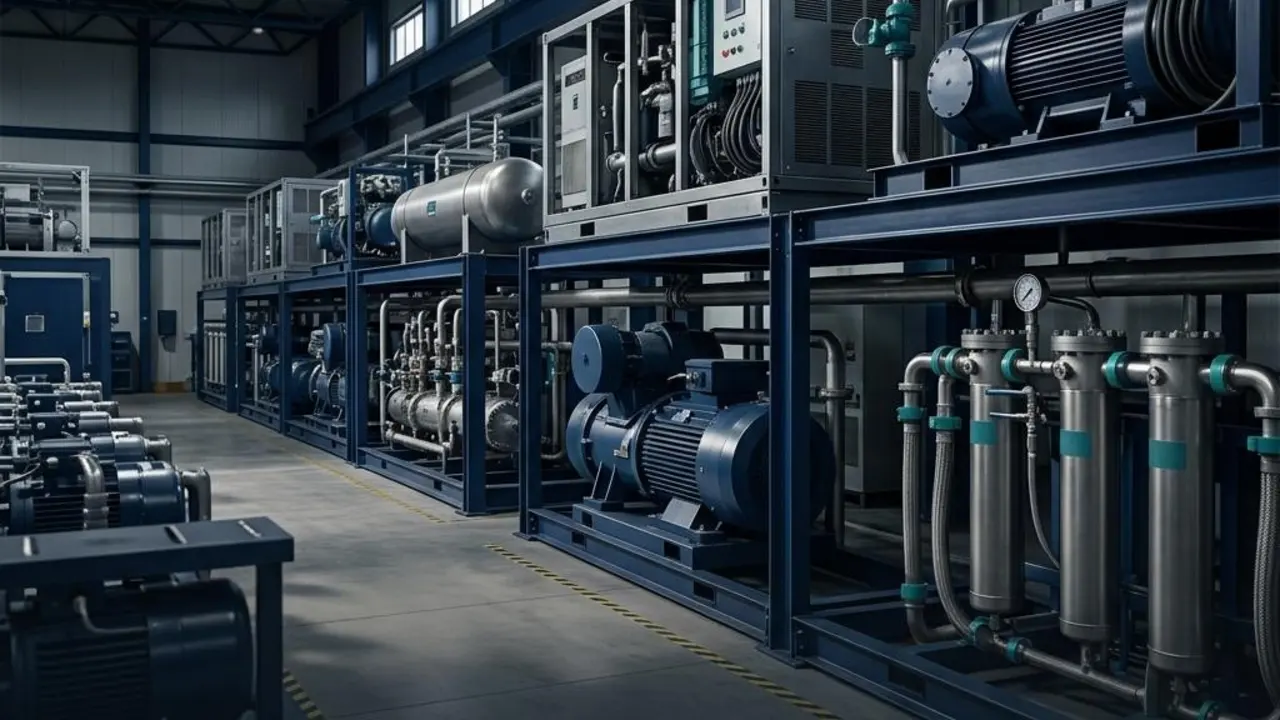
Supplier & Component Gaps
Electrolyzer lead times, unqualified suppliers, missing QA records, or vendor concentration risk.
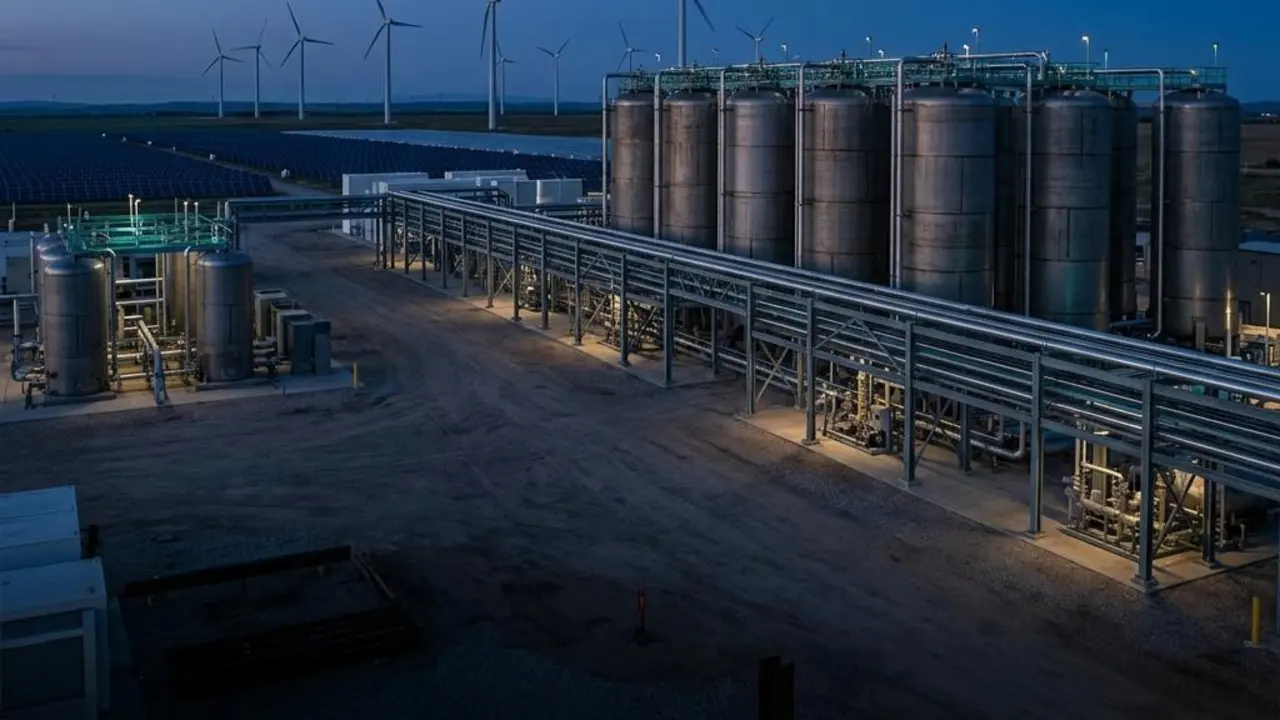
Site & Grid Readiness
Water access, renewable power pairing, grid interconnection, land availability, and pipeline proximity.

Off-take & Commercial
Buyer demand maturity, pricing gaps, logistics friction, and end-user infrastructure readiness.

Schedule & Cost Friction
Critical path risks, capital gating, procurement delays, and financing milestones.

Energy Input Profile
Power purchase agreements, carbon intensity matching, time-matching requirements, and energy storage.
Input. Analyze. Prioritize. Act.
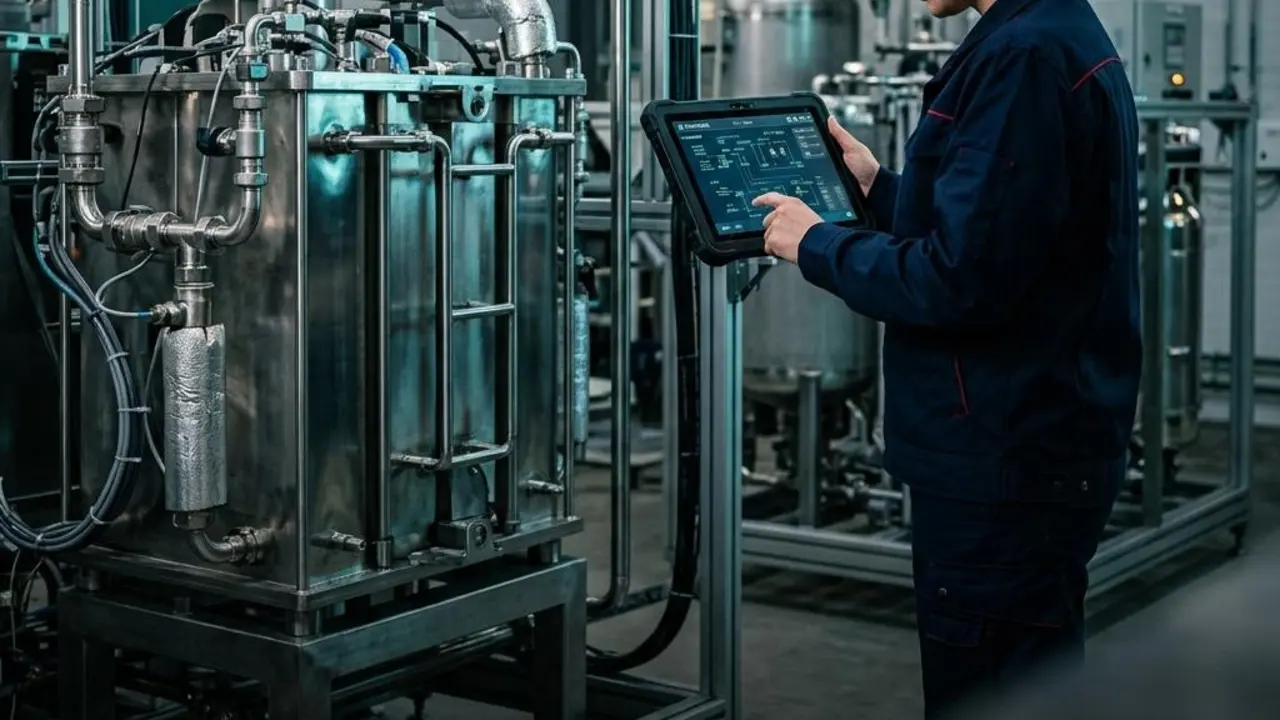
1. Load project context
Enter status, scale, location, supply-chain needs, off-take goals, and unresolved questions.

2. Evaluate gaps
DDT organizes the data against hydrogen categories to identify weak signals and conflict points.

3. Generate action paths
DDT returns prioritized issues, vendor categories to search, and follow-up questions.